How to Repair Garage Doors for Commercial Properties in 2025
Maintaining the performance and safety of commercial garage doors is essential for every facility manager and property owner. Whether you are dealing with broken springs, misaligned tracks, or faulty opener motors, understanding how to repair these components can save time and reduce costly downtime. This comprehensive guide will walk you through the common issues, tools needed, repair techniques, and maintenance best practices to keep your commercial doors operating smoothly and securely throughout 2025 and beyond.What Are the Common Issues with Commercial Garage Doors?
Commercial garage doors endure heavy daily use, which often leads to several frequent problems impacting door performance and security. Common issues include:- Broken or Worn Door Springs: Torsion springs and extension springs bear the weight of heavy commercial doors. When they snap or weaken, the door may fail to open or close properly or may move unevenly. Misaligned or Damaged Door Tracks: Tracks guide the door panels smoothly. Bends, dents, or blockages cause noisy operation, sticking, and improper door alignment. Faulty Opener Motors and Remote Controls: Mechanical failure, electrical faults, or worn components in the opener motor or remote system can lead to non-responsiveness or intermittent function. Safety Sensor Malfunctions: Sensors detect obstacles in the door’s path to prevent accidents. Misalignment or dirt buildup causes sensors to malfunction, preventing the door from closing fully. Worn Cables, Rollers, and Hinges: These parts undergo wear over time, leading to increased garage door noise, jerky movement, and potential safety hazards. Damaged Door Panels and Weather Seals: Panels affected by impact or corrosion compromise security and insulation, while damaged weather stripping reduces energy efficiency and exposes interiors to elements.
Signs that indicate repair needs include noisy operation, uneven movement, a door that won’t close fully, slow response times, or visible damage on springs, cables, or panels.
How Do You Safely Inspect a Commercial Garage Door Before Repair?
Performing a thorough safety inspection is vital before attempting any repair to avoid injury and further damage.
- Disconnect Power Supply: Always unplug the garage door opener or turn off the circuit breaker to prevent accidental activation during inspection. Engage Manual Override: Use the emergency release cord to disengage the automatic opener and manually test the door’s balance and movement. Inspect Door Frame Integrity: Check for cracks, rust, or loose mounting brackets in steel doors or aluminium frames to ensure the door structure is sound. Examine Springs and Cables: Look for wear, rust, distortions, or gaps in torsion springs, extension springs, and lift cables that support door tension and balance. Test Safety Sensors: Verify sensor alignment and cleanliness to confirm they are free from obstruction and calibrated correctly. Review Hinges, Rollers, and Tracks: Ensure rollers operate smoothly along clean, lubricated tracks without bends or obstructions.
What Tools and Materials Are Needed for Commercial Garage Door Repairs?
Having the correct tools and materials on hand is crucial for efficient and safe garage door repairs.- Basic Hand Tools: Adjustable wrenches, socket sets, screwdrivers (Phillips and flathead), pliers, and clamps. Lubricants: Commercial-grade silicone spray or lithium grease for rollers, hinges, tracks, and springs to minimise friction and noise. Replacement Parts: Quality torsion springs, extension springs, cables, rollers, hinges, weather stripping, and door locks specifically designed for commercial garage doors. Safety Gear: Heavy-duty gloves, safety glasses, and protective clothing to guard against sharp edges and spring tension hazards. Testing and Calibration Tools: A level for door alignment checking and voltage tester for electrical components. Source Reliable Suppliers: Purchase commercial-grade parts from reputable Australian suppliers or authorised distributors to ensure warranty compliance and durability.
Preparing all necessary tools and materials before starting repairs streamlines the process and maximises safety.
How to Replace or Repair Door Springs on Commercial Doors?
Door springs play a critical role in counterbalancing the heavy weight of commercial doors. Understanding the types and proper handling of springs ensures safe and effective repairs.
- Types of Springs: Torsion springs coil above the door opening and provide balanced tension, while extension springs stretch along the sides of the door. Both types require specific replacement methods. Spring Replacement Steps:
- Disengage the door from the opener using the emergency manual override. Secure the door to prevent accidental movement with locking pliers or clamps.Carefully unwind torsion springs using specialised winding bars; never attempt without proper training due to high tension risk. Remove damaged springs and install replacements of the exact size and type.Rewind the torsion springs precisely to restore correct door tension and balance. Test door balance by manually opening halfway and observing if it stays in place; adjust tension as needed.
How to Fix Misaligned or Damaged Door Tracks?
- Identify Track Issues: Look for bent, dented, or loose sections along vertical and horizontal tracks. Objects caught inside tracks also obstruct movement. Realignment Techniques:
- Loosen mounting brackets gently to reposition tracks so they remain parallel and maintain correct spacing from door panels.Use a level to verify vertical tracks are perfectly plumb and horizontal tracks slope slightly downward toward the rear for proper door movement. Tighten brackets securely after adjustment ensuring no movement under pressure.
How to Repair or Replace the Opener Motor and Remote Control Systems?
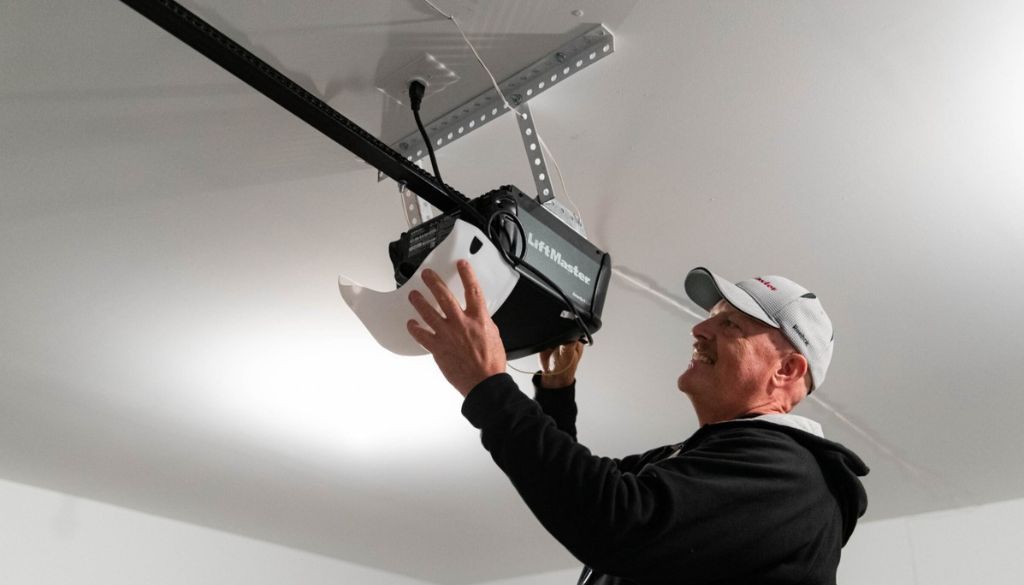
The opener motor and access controls are vital for convenient and secure operation of commercial garage doors.- Diagnosing Opener Issues: Listen for unusual noises such as grinding, slow or jerky door movement, failure to respond to remote controls, or intermittent stopping. Repair Steps:
- Check electrical wiring connections and ensure power supply is stable.Inspect gears and drive systems (chain drive or belt drive) for wear; replace worn parts as needed. Reset or reprogram garage door remotes and electronic keypads following manufacturer instructions.Clean and test safety sensors integrated with opener control systems.
What Are the Best Practices for Maintaining Commercial Garage Doors?
Regular maintenance extends the lifespan of commercial garage doors, reduces repair costs, and ensures safety compliance.
- Routine Lubrication: Apply lubricant to rollers, hinges, springs, and tracks every 3-6 months to minimise wear and garage door noise. Tighten Hardware: Inspect and tighten nuts, bolts, and screws on door panels, tracks, and frame regularly to maintain structural integrity. Clean Sensors and Tracks: Remove dirt and debris from safety sensors, tracks, and weather seals for accurate sensor calibration and smooth operation. Inspect Weather Seals and Insulation: Check for cracks or damage in weather stripping and door insulation to improve energy efficiency and protect interior spaces. Schedule Preventive Maintenance: Arrange professional inspections annually or biannually to identify early signs of wear and make timely repairs.
When Should You Consider Professional Garage Door Repair or Replacement?
While minor issues can be addressed in-house, certain situations require expert intervention.- Complex Repairs: High-tension spring replacement, electrical motor servicing, and major structural adjustments involve safety risks best handled by certified technicians. Severe Damage: Door panels that are heavily dented or corroded, warped frames, or repeated component failures may necessitate full garage door replacement. Installation Upgrades: For industrial-grade steel doors, aluminium frames, or customised commercial garage installations, professional service guarantees correct fitting and compliance. Cost-Benefit Analysis: Assess repair costs against benefits of new door installation considering warranty, improved security, and energy efficiency.
How to Troubleshoot Safety Sensor Issues and Calibrate Sensors?
Safety sensors are crucial in preventing accidents by detecting objects in the path of closing garage doors.- Common Problems: Sensors may be misaligned, dirty, or suffer wiring faults leading to doors reversing or failing to close. Calibration Techniques:
- Ensure both sensors face each other directly at the same height on either side of the doorframe.Clean sensor lenses with a soft cloth to remove dust and residues. Check wiring connections and repair or replace damaged cables.Test sensor function by passing an object through the beam and observing door response.
Integrating Access Control and Security Systems with Commercial Garage Doors
Enhancing commercial door security through modern technology provides controlled entry and monitoring capabilities.- Electronic Keypads and Card Readers: Install secure entry systems allowing authorised personnel easy access without physical keys. Remote Monitoring: Network-enabled door controllers enable real-time status updates and remote control via smartphones or central management software. Alarm Integration: Combine door sensors with security alarms to alert staff of unauthorised access attempts or forced entry. Audit Logs: Track entry times and user access for facility management and security compliance.
Environmental Considerations for Garage Door Repairs (Insulation & Weatherproofing)
Protecting commercial interiors from heat, cold, and moisture improves energy efficiency and occupant comfort.- Weather Stripping Inspection: Examine seals around door panels for cracks or gaps and replace deteriorated strips promptly. Door Insulation: Upgrade to insulated door panels where possible to reduce heat loss in winter and heat gain in summer. Seal Repairs: Apply waterproof coatings or replace rubber weather seals to prevent water ingress during heavy rains. Reduce Drafts and Air Leaks: Ensure tight door fits and well-maintained seals help lower energy bills and protect stored goods.
Reducing Garage Door Noise in Commercial Settings
A noisy garage door can disrupt operations and affect workplace comfort.- Replace Worn Rollers: Upgrade to nylon rollers for quieter movement compared to metal rollers. Use Belt Drive Openers: Belt drive systems operate more silently than chain drive mechanisms. Lubricate Moving Parts: Regular application of proper lubricants reduces grinding and squeaking sounds. Balance Door Properly: Correct door weights and tension lessen motor strain and operational noise.
Emergency Release Procedures for Commercial Garage Doors
Knowing how to safely disengage automatic doors enhances safety during power outages or emergencies.- Locate Emergency Release Cord: Usually hanging from the door’s trolley mechanism, pull this cord to disconnect the door from the opener motor. Manual Operation: Use care when manually opening or closing the door; commercial doors can be heavy, so enlist assistance if necessary. Reset After Power Restored: Re-engage the emergency release mechanism according to manufacturer instructions to resume automatic operation. Train Staff: Facility managers should ensure all relevant personnel understand emergency procedures and safety precautions.
Frequently Asked Questions (FAQ)
How long does it typically take to repair a commercial garage door?
Repair time varies depending on the problem. Minor repairs like spring replacement or track alignment usually take 1-3 hours, while major repairs or complete replacements may require more time.
Can I repair a commercial garage door myself or should I hire a professional?
Simple maintenance and minor garage door services in helensvale gold coast fixes can be performed DIY with the right tools and knowledge. However, complex repairs involving high-tension springs or opener motors should be handled by professionals due to safety risks.What maintenance routine should I follow to prolong the life of my commercial garage door?
Regularly lubricate moving parts, inspect springs and cables, clean tracks and sensors, check door alignment, and test safety features at least every 3 to 6 months.
What are the signs that my commercial garage door springs need replacing?
Signs include excessive noise, slow or uneven door movement, visible wear or gaps in springs, or the door failing to stay open properly.How do I know if my garage door opener motor is failing?
Symptoms include unusual noises, slow or jerky operation, failure to respond to remote controls, or intermittent functioning.