A garage often sits in an awkward category in home maintenance. It is part storage room, part workshop, part entry point, and for many households it is the door used most often. That familiarity can make people underestimate how important it becomes when severe weather is on the way.
In storm-prone parts of Queensland, that is a mistake with real consequences. Official guidance treats garage doors as a serious part of household resilience. The reason is straightforward. If a garage door fails under wind pressure, wind can enter the house and increase damage to roofs and walls. Once that pressure gets inside the building envelope, problems tend to multiply quickly.
That makes garage storm prep less about convenience and more about structural common sense. It also changes how you should think about garage door openers. People usually evaluate an opener by noise level, speed, or whether it works with a remote from halfway down the street. Those points matter in daily life, but before storm season the better question is whether the opener, the door, and the surrounding hardware support a safe, practical storm plan.
The garage door is not just a moving panel
A garage door works as a system. The door itself, the frame, the garage door tracks, the opener, and the spring assembly all depend on one another. If one part is neglected, the whole system becomes less predictable.
This is where homeowners sometimes focus on the wrong thing. A powerful opener does not make a weak door storm-ready. A quiet motor does not compensate for poor alignment. Fresh batteries in the remotes do not matter much if the door is not correctly rated for local wind conditions or if the frame is the vulnerable point.
Queensland cyclone-preparation guidance is clear on the broad principle. A garage door should comply with AS/NZS 4505 and be correctly rated for wind pressure, or have a bracing system that can be installed before a cyclone. That is a higher standard than basic everyday functionality. Plenty of doors open and close just fine in mild weather while still being poor candidates for severe storm conditions.
That distinction matters because homeowners often postpone garage work until something stops moving. In practice, storm preparation works best when you intervene before obvious failure. The garage is one of those areas where “still works” and “properly prepared” are not the same thing.
What garage door openers do, and what they do not do
Garage door openers are useful during storm prep, but their role is narrower than most people think. An opener provides access and controlled operation. It helps you park under shelter, move equipment inside, and secure the garage before weather deteriorates. It can also reduce the temptation to leave the door partially open while carrying items in and out, which is a habit that often causes last-minute chaos on the day a storm warning is issued.
What an opener does not do is strengthen a non-compliant door. It does not improve wind rating. It does not replace a bracing system. It does not correct a failing frame. It certainly does not make damaged garage door tracks or worn garage door springs any safer.
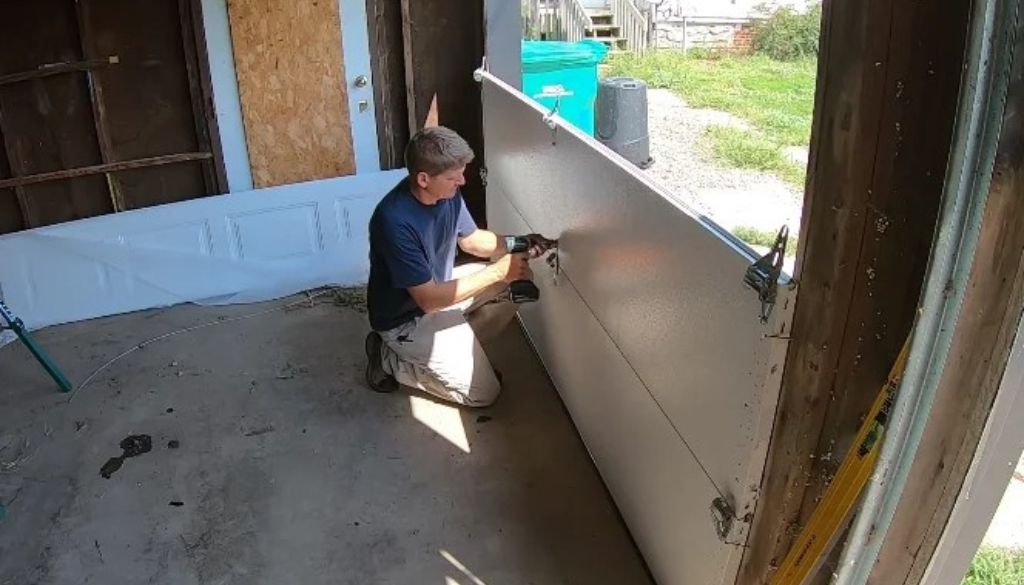
This is one of those judgment calls that comes up often in the field. A homeowner may say, “The opener is new, so the door should be fine.” That logic sounds reasonable until you look at the assembly. The operator may be modern, but if the panel flexes too easily, the frame is ageing, or the tracks are loose, the system still has weak points. The opener is only one component in a much bigger storm-resilience picture.
There is also a practical issue with electricity. During severe weather, power interruptions are always possible. Queensland guidance for storm preparation includes unplugging electrical items, which has a natural connection to garage access planning. If your only routine way in and out of the garage is via the remote, and you have not thought about how to manage access when power is out or electrical items are disconnected, your prep is incomplete.
Why storm prep starts before a warning
People tend to think in terms of a frantic final hour, moving bins, grabbing batteries, and checking the weather every ten minutes. That is understandable, but garage preparation does not respond well to last-minute decision-making. If the door is outdated, not wind-rated, or showing signs of wear, there may be nothing useful you can do the night before a storm other than hope for the best.
Queensland housing resilience guidance identifies replacing existing garage doors and frames with wind-rated versions as part of resilience work. It also notes that non-compliant garage doors can be a cost-effective replacement target when improving cyclone resilience. That is worth paying attention to because it shifts garage door replacement from being a cosmetic project to being a practical resilience upgrade.
I have seen homeowners spend freely on generators, tarps, and outdoor tie-downs while ignoring a wide garage opening covered by an old door of uncertain rating. The priorities should run the other way. If one opening in the building is especially vulnerable, it can undermine a great deal of preparation elsewhere.
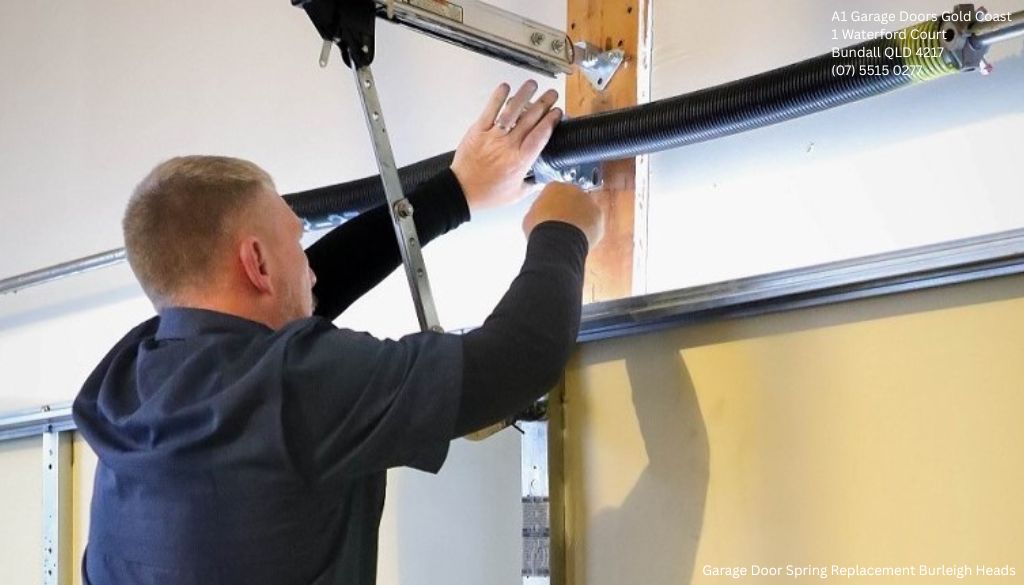
A new opener may still be part of the conversation, especially if the current unit is unreliable or difficult to use, but it should be evaluated in the context of the whole door assembly. Storm prep is usually strongest when access, structural integrity, and habit all line up. You want a door that is rated appropriately, hardware that is in sound condition, and a routine that everyone in the household can follow without confusion.
The parts homeowners overlook most often
The visible door gets most of the attention, but hardware tells a quieter story. Garage door springs are a good example. Springs handle significant tension in ordinary operation. When they are worn, the door may move unevenly or place more strain on the opener. That may not seem like a storm-prep issue at first glance, yet any component that makes the door harder to operate reliably becomes a problem when time is short and conditions are worsening.
The same goes for garage door tracks. Tracks do not need to be dramatically bent to create trouble. A slightly compromised track, loose mounting, or alignment issue can affect how the door closes and seals. In calm weather, people often tolerate a bit of scraping or shaking. Before storm season, those small faults deserve a harder look because they suggest the system may not behave as expected when you most need it to close securely.
This is also one reason to be careful with do-it-yourself fixes. Queensland resilience guidance encourages working safely and using a qualified contractor for securing vulnerable parts of the home. That is sensible advice around garage doors. Springs and opener systems are not forgiving components, and storm-related upgrades often involve more than simple adjustment. There is a point where “I can probably tighten this up” becomes a poor substitute for qualified assessment.
A practical garage storm routine
The most useful storm plans are boring. They are repeatable, easy to remember, and based on actions that can be completed before conditions become unsafe. Queensland authorities advise homeowners to prepare before storm season and only go outside after it is officially safe. That timing matters. The garage should be part of early preparation, not a place you dash into when winds are already rising.
A sound routine usually covers access, storage, and electrical caution. It should also take into account the reality that garages attract loose items. Sports gear, bins, garden tools, chemicals, ladders, and half-finished projects can all turn a simple garage closure into an hour-long cleanup.
Here is a compact pre-storm garage check that keeps the focus where it belongs:
Park vehicles under shelter if possible, ideally in the garage if it is suitable and accessible. Bring in or secure loose outdoor items so they are not left around the garage entry or driveway. Close and secure the garage early, while weather is still manageable. Unplug electrical items where appropriate, in line with broader household storm precautions. Do not go back outside to adjust garage items once conditions are no longer officially safe.None of those steps are glamorous, but they solve common failures of preparation. The vehicle is protected, the garage opening is not obstructed by clutter, and the household is less likely to make a risky last-minute trip outdoors.
Openers, remotes, and the access problem nobody thinks about
Garage door openers add convenience, but convenience can become dependency. Many families enter through the garage almost exclusively. They may not regularly use a front door key. They may not think much about what happens if the opener is disconnected, if electrical items are unplugged before a storm, or if the household needs to secure the garage and then limit movement.
The practical answer is not complicated, but it does require forethought. Everyone who needs garage access should understand the household plan before severe weather arrives. If the garage is the main shelter point for a car, it should be cleared in advance. If remotes are the primary means of entry, they should be kept where they can be found quickly. And if the household intends to unplug certain electrical items as part of storm preparation, that step should happen after the garage has been set up and vehicles have been moved.
This is not about gadget features. It is about reducing confusion. I have seen homes where the opener worked perfectly, but the garage was so cluttered that the car could not be parked inside. I have also seen garages with decent storage space where extension leads, chargers, and other electrical items were left scattered around until the last Additional hints minute. The problem in both cases was not equipment quality. It was a lack of routine.
When garage door replacement makes more sense than repair
Not every garage issue deserves a full replacement. Some are ordinary maintenance matters. But there are times when repair becomes a false economy, especially in storm-prone regions.
Queensland resilience guidance gives garage door replacement a clear place in cyclone hardening, particularly where existing doors and frames are non-compliant. That guidance reflects a practical truth. If an older door is not correctly rated for wind pressure, repeated servicing of the opener or small hardware may improve daily use without addressing the real risk.
A homeowner usually gets the best value from replacement in situations like these:
The existing garage door and frame are non-compliant or of uncertain wind suitability. The household is already investing in broader cyclone or severe storm resilience work. The door has recurring operational problems involving tracks, balance, or structural wear. The garage is attached to the home, so failure at that opening could increase damage elsewhere. The current setup cannot be braced or upgraded in a practical, dependable way.What stands out here is that garage door replacement is not just about age. It is about whether the opening contributes to household resilience. A relatively plain wind-rated door with the right framing can be far more valuable than a more attractive but less suitable option.
The attached garage deserves extra attention
The risk profile changes when the garage is attached to the house. Official Queensland materials warn that garage door failure can let wind into the home and increase damage to roofs and walls. That should shape decision-making.
With a detached garage, storm damage may still be significant, especially for vehicles and contents, but the pathway into the main dwelling is different. With an attached garage, the opening is part of the larger building envelope. That is why homeowners should think beyond the convenience of storing the car. The garage can become a pressure point in the truest sense.
This is also where details like surrounding door protection and overall resilience work become relevant. Queensland guidance recommends fitting shutters or other protection to door openings and using qualified help for vulnerable parts of the home. The garage door sits within that wider framework. A resilient home is rarely built from one upgrade alone. It is usually the result of several openings, surfaces, and systems being addressed together.
Comfort and efficiency still matter, even in a storm-focused discussion
Storm preparation is the immediate concern, but not every garage improvement is about extreme weather. Some changes pay off quietly all year. Australian energy-efficiency guidance notes that draught stoppers at the base of doors can help reduce heat loss. For attached garages in particular, draught-proofing can make a noticeable difference to comfort and energy use, especially where air movement from the garage affects nearby rooms.
That does not mean every weather-sealing measure is a storm measure. It simply means the garage door can serve more than one purpose well. A homeowner planning an upgrade can sensibly consider both resilience and everyday performance. The best projects often solve several practical problems at once. A better-sealing door may help with draughts, improve daily usability, and sit within a broader discussion about wind suitability and hardware condition.
The caution here is not to blur categories. Draught reduction is useful, but it is not a substitute for correct wind rating. Energy efficiency and storm resilience can complement each other, though they are not interchangeable.
Safety standards and the value of buying carefully
Garage door accessories and electrical components should always be approached with a safety mindset. Australian product-safety guidance makes the broader point that products covered by mandatory safety standards must meet specific criteria before sale. For homeowners, the lesson is simple enough. Buy carefully, avoid dubious shortcuts, and treat safety features and compliance claims seriously.
This matters most when people are tempted by quick fixes ahead of storm season. A bargain accessory that complicates operation, a questionable add-on, or an unverified part may feel like money saved until the first sign of trouble. Homeowners do not need to become technical experts in every component, but they should recognise when a garage system has moved beyond ordinary retail convenience and into the territory where qualified advice is worth paying for.
A realistic way to judge your current setup
If you want to assess your garage honestly, start with the practical questions rather than the cosmetic ones. Does the door appear to be rated and suitable for local storm conditions? Is there an established bracing approach if one is required? Do the garage door tracks and springs operate smoothly, without obvious strain or imbalance? Is the opener reliable enough that the door can be secured without drama when time is short? Can the household complete its garage routine before conditions become unsafe?
These questions usually reveal whether you are dealing with routine maintenance, a planning gap, or the need for a larger upgrade. They also expose a common blind spot. Many people judge the garage by how it behaves on a calm Saturday morning. Storm prep asks a tougher question. Will this setup hold up when the stakes are higher and the margin for error is smaller?
That is the right standard to use. A garage door is not only a convenience feature. In severe weather, it becomes part of the home’s first line of defence. The opener supports that role, but it does not define it. Good storm preparation comes from matching the hardware, the door, and the household routine to the realities of the climate.
When that happens, the garage stops being an afterthought. It becomes what it should have been all along, a managed entry point, a safer shelter for vehicles and stored items, and a more resilient part of the home.