A garage door that stops short, reverses unexpectedly, or refuses to settle into the closed position can turn a routine part of the day into a recurring irritation. For many households, the garage door is one of the most frequently used moving systems on the property. When it starts acting up, the inconvenience is immediate. So is the uncertainty. Is it the motor, the springs, the door itself, or something less obvious?
In practice, the answer is often not a single dramatic failure. Just as often, it is the slow accumulation of wear, environmental stress, and neglected adjustment that eventually shows up as one clear symptom: the garage door not closing properly.
That is where annual servicing earns its keep. A scheduled service does not guarantee that a door will never fail, but it does give a trained technician a chance to catch developing problems before they become breakdowns. In places where coastal conditions matter, that timing can be even more important.
When a closing problem is more than a minor nuisance
People often live with a temperamental garage door for longer than they should. If the door closes after the second or third attempt, it is easy to put off dealing with it. If it only misbehaves on hot afternoons or damp mornings, it is even easier to dismiss.
But the pattern matters. A garage door that does not close reliably is already telling you that something in the system needs attention. The trouble might be linked to the motor, a spring issue, wear in moving parts, or garage door alignment. It may also be connected to the conditions around the home. On the Gold Coast, local service providers regularly point to salt air, humidity, and heat as factors that can affect garage-door hardware and increase maintenance needs.
That last point is easy to underestimate. A door system does not have to be obviously damaged to perform poorly. Exposure over time can affect components gradually, especially in a warm, humid coastal environment. What looks like a random fault from the driveway can actually be the end result of months of extra strain.
The value of an annual service visit
Some property owners wait until the door stops working completely before they call for help. That approach can work if you are willing to tolerate disruption, but it is rarely the most efficient way to look after the system. At least one garage-door business in the Gold Coast market recommends professional servicing every 12 months to help prevent breakdowns and extend the life of both the door and the motor.
That recommendation lines up with what experienced technicians tend to see in the field. A yearly service creates a regular checkpoint. It gives a professional the opportunity to inspect the overall operation, identify worn or failing parts, and address smaller faults before they trigger a more expensive repair visit.
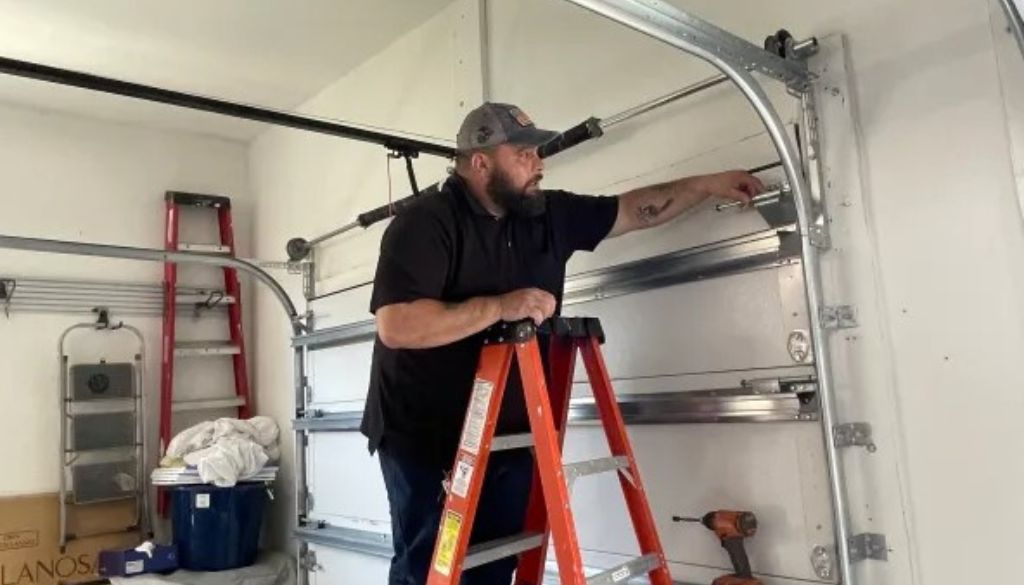
This is especially relevant when the issue is intermittent. A garage door opener repair can be more straightforward when the technician is inspecting a system that has been maintained consistently, rather than one that has been left untouched for years and now presents several overlapping problems.
Annual servicing is not just about preserving convenience. It is about preserving function in a system made up of connected parts. A motor, springs, remotes, and the door itself do not operate in isolation. If one element begins to struggle, the others may compensate until they cannot.
Why closing issues often creep up slowly
The frustrating part of many garage door faults is that they do not always arrive with a dramatic snap or sudden shutdown. They develop as subtle changes. The door might become noisier. It might hesitate. It might start to close unevenly or require more than one attempt. The remote might seem inconsistent. These are the kinds of patterns that a homeowner notices in passing but may not connect to a service need right away.
A proper annual inspection helps because it shifts attention from the symptom alone to the condition of the system. That matters when the problem is tied to wear rather than an obvious break. If the door is struggling due to balance issues or component fatigue, you may not be able to fix garage door behaviour by resetting the opener or pressing the remote again. The root cause still needs to be found.
This is also where garage door alignment becomes part of the conversation. Alignment problems are not always described in technical language by homeowners. More often, people say the door looks crooked, binds when moving, or does not sit right when it reaches the ground. Those observations can be useful. They point to the fact that the door’s movement and position should be assessed by someone who works with these systems regularly.
The role of springs, and why caution matters
If there is one area where homeowners should be especially careful, it is spring-related work. Industry and safety guidance is clear that garage door springs are under high tension and can be dangerous to adjust or repair without proper training and tools.
That warning is not theoretical. Springs store significant force. When a spring breaks or loses effectiveness, the impact on how the door moves can be immediate. The door may become difficult to operate correctly, or it may stop closing as it should. In some cases, people assume the motor has failed when the real issue is that the lifting system is no longer working as intended.
There is another detail that matters here. Safety guidance also notes that when one spring breaks, both springs may need replacement because they typically wear at a similar rate. Mixing an old spring with a new one can create balance problems. That is the sort of judgement call that should be made by a trained technician rather than guessed at from the garage floor.
When people search for ways to fix garage door trouble themselves, spring work is often where good intentions turn risky. A closing problem may seem simple from the outside, but the forces involved inside the system are not.
What annual servicing can actually help catch
Service calls are most valuable when they happen before a door is fully out of action. A technician who sees the system annually has a better chance of spotting parts that are wearing down or no longer performing properly.
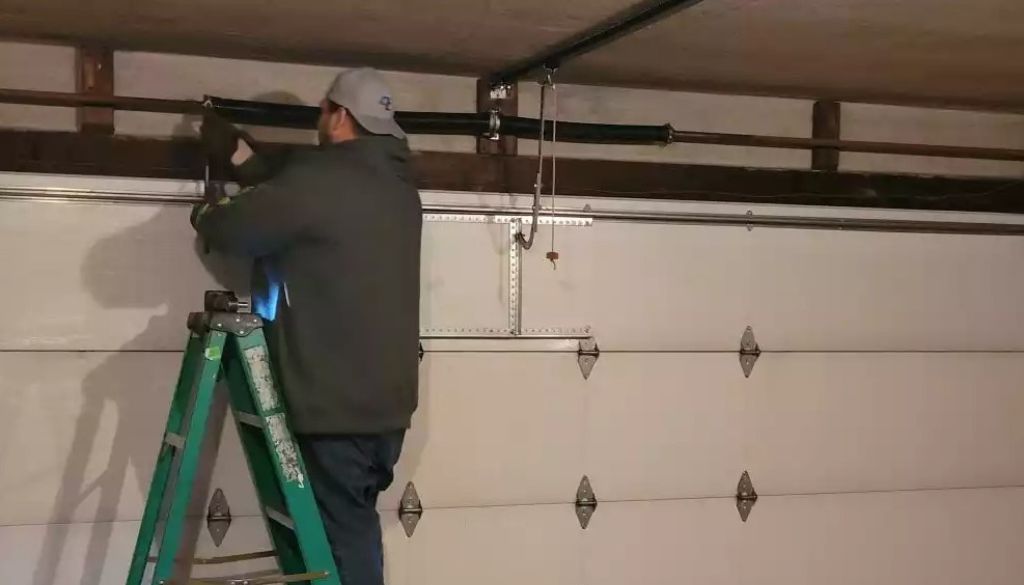
In the Gold Coast area, garage door service commonly includes repairs, servicing, installations, and replacement of components such as motors, remotes, and springs. Some providers also handle automation upgrades for existing garage doors. That range of work matters because a closing issue can involve more than one category at once. A door may need service attention now, and a broader upgrade later. Or it may simply need targeted repair of a worn component before the rest of the system is affected.
During a service visit, the technician is not only responding to the complaint you mention at the start. They are also looking at the door as a working system. If your main concern is that the door will not close properly, the service process may still reveal a second issue that has not yet caused obvious symptoms. Catching that early is one of the practical advantages of routine maintenance.
Coastal conditions are not a small detail
A garage door on the Gold Coast does not live in a neutral environment. Salt air, humidity, and heat are part of the local maintenance picture. Service providers in the region openly acknowledge that these conditions can affect hardware and increase maintenance needs.
That local reality changes the way a homeowner should think about servicing intervals. In a mild, dry environment, some systems may tolerate longer gaps between inspections before obvious problems appear. In a coastal setting, deterioration can move faster than people expect. The damage may not be dramatic, but it can still affect operation.
Heat can also expose weaknesses that are already developing. A system that seems barely acceptable on a cool day may perform worse under warmer conditions. Humidity can add another layer of stress to components over time. None of this means every door will fail early, but it does mean that annual service is not a formality. It is a practical response to the conditions the door operates in.
Not every closing problem points to the opener
People often jump straight to the motor when the garage door stops behaving. That is understandable. The opener is the visible powered component, and it is easy to think of the issue as purely electrical or automated. Sometimes that instinct is right, and garage door opener repair is exactly what is needed. Local service businesses do offer motor replacement and installation services, including automation upgrades for existing doors.
Still, the opener is only one part of the whole system. If the door is poorly balanced because of spring wear, or if another hardware issue is affecting movement, replacing or adjusting the opener alone may not solve the underlying problem. In fact, the opener can end up working harder than it should when the door itself is not operating correctly.
That is another reason annual servicing is helpful. It reduces the chance of treating the symptom while missing the cause. A technician can tell whether the motor is the real problem, whether the door’s mechanics are contributing, or whether the best answer is a combination of repair and replacement.
A few signs you should stop experimenting and call for service
There is a difference between basic observation and hands-on intervention. If the door is closing inconsistently, you can note the pattern, but some warning signs should end the DIY phase quickly.
- The door will not close properly after repeated attempts The door appears out of position, suggesting a garage door alignment issue You suspect a spring problem or know a spring has broken The motor or opener is clearly struggling, stopping, or behaving unpredictably The system has not been professionally serviced in roughly 12 months or more
That last point is less dramatic than a broken spring, but it matters. Many service visits start with a small operating complaint and end with the discovery that the system has gone far too long without professional attention.
What a professional may recommend after inspection
One of the advantages of calling an experienced garage-door service is that the solution can be matched to the actual state of the system. That sounds obvious, but it matters. Not every door with a closing problem needs a full replacement, and not every older system is best served by repeated small repairs.
Depending on what they find, a technician might recommend one of several paths goldcoastgaragedoorrepair.com.au forward.
- Servicing and adjustment if the system is fundamentally sound Replacement of worn parts such as springs, motors, or remotes where needed Garage door opener repair if the motor or automation side is at fault Motor replacement or automation upgrade for an existing garage door A broader repair plan if multiple components are contributing to the fault
The right choice depends on condition, not just age. A relatively modern system can still develop a serious issue if maintenance has been neglected, especially in a harsh coastal environment. On the other hand, a door that looks old from the outside may only need focused work if the core components are still in reasonable shape.
Why consistency beats crisis management
There is a practical difference between servicing a door every year and only calling for help after a breakdown. With annual care, repairs tend to be more targeted. The technician has a chance to deal with wear while the system is still operating. That usually makes diagnosis clearer and reduces the chance that one failing part will stress another.
Without that routine, problems stack up. A spring may weaken, the motor may compensate, the door may begin closing poorly, and by the time the owner books a visit, the issue is no longer simple. The final repair may involve more time, more parts, and more disruption than a service-first approach would have required.
This pattern is common across mechanical systems, but garage doors are a particularly good example because they are easy to ignore until they interrupt daily life. They open, they close, and when they mostly work, they fade into the background. Annual servicing brings them back into focus just long enough to keep them dependable.
The hidden cost of waiting too long
A door that occasionally refuses to close can seem tolerable right up until the day it stops responding when you are already late. That is the obvious cost. The less obvious cost is what prolonged strain does to connected parts.
If a component is wearing out, the rest of the system may compensate for a while. That can shorten the useful life of parts that would otherwise have lasted longer with timely servicing. The verified local recommendation for service every 12 months exists for a reason. It is intended to help prevent breakdowns and extend the life of the door and motor, not simply to generate routine appointments.
This is also why one-off fixes do not always hold up if the broader condition of the system has been ignored. If your goal is simply to make the current symptom disappear, you may get a short-term result. If your goal is reliable closing and fewer surprise failures, routine servicing is the stronger strategy.
Real-world judgement matters more than generic advice
No two service calls are exactly alike. One home may need attention because of age and wear. Another may be dealing with the effects of coastal exposure. A third may have an automation issue in an otherwise sound door. The symptom can look the same from the driveway, but the repair decision may be different in each case.
That is why generic online troubleshooting only goes so far. It can help you describe the problem, but it cannot inspect spring condition, assess whether both springs should be replaced together, or determine whether garage door opener repair is enough on its own. It also cannot account for the local environmental stress that Gold Coast service providers regularly see in the field.
The best service technicians bring pattern recognition to the job. They know how often a closing issue turns out to be linked to something else. They know when a motor is genuinely failing and when it is simply being asked to do too much because another component has deteriorated. They know when a targeted repair is sensible and when an upgrade makes more long-term sense.
A closing problem is often a maintenance problem in disguise
When homeowners say the garage door is not closing properly, they are usually describing the symptom they can see. What annual servicing helps uncover is the condition underneath. Sometimes that leads to a straightforward repair. Sometimes it leads to spring replacement, motor work, remote replacement, or a broader maintenance plan. Sometimes it reveals that coastal wear has simply caught up with the system faster than expected.
What matters is that the problem is assessed before it worsens, and that high-risk tasks, especially anything involving springs under tension, are left to trained professionals. If your door has started closing unpredictably, resisting the urge to wait it out is often the smartest first step. A yearly service may seem modest, but in practice it is one of the most effective ways to keep a garage door reliable, reduce avoidable failures, and deal with small issues garage door resource before they turn into inconvenient or unsafe ones.