A garage door has a way of forcing itself onto the day’s priority list. One minute it is background equipment, something you expect to rise and lower on command. The next, it is sticking halfway, making a harsh sound, or leaving the opening unsecured because the door is not closing as it should. When that happens, the temptation is strong to keep using it carefully and hope the problem settles down on its own.
That approach usually costs more time than it saves.
Most garage door faults do not improve with repeated use. They become easier to notice, then harder to ignore. A door that is only slightly off today can place more strain on its motor tomorrow. A remote problem can hide a larger issue with the opener system. A spring problem can move from inconvenient to dangerous very quickly. If you need to fix garage door trouble, the practical goal is not to chase a perfect do-it-yourself solution. It is to separate safe basic checks from the repairs that should not be delayed.
The real problem with waiting
People often postpone service because the door still works sometimes. It opens if you press the remote twice. It closes if you stand nearby and watch it. It shudders a bit, but eventually gets there. That kind of partial function creates false confidence.
In practice, intermittent faults are often the most disruptive. They lead to rushed mornings, unreliable security, and unnecessary wear on components that are trying to compensate for something else. A door that is out of balance or dealing with poor garage door alignment does not only affect how the door travels. It can also put stress on the motor and opener system. That matters because local service providers commonly deal with repairs and replacements involving motors, remotes, springs, and other hardware. Those are not rare, unusual jobs. They are routine because these parts do wear and fail.
The urgency is not always dramatic, but it is real. If your garage door not closing properly has become a pattern rather than a one-off event, it deserves attention sooner rather than later.
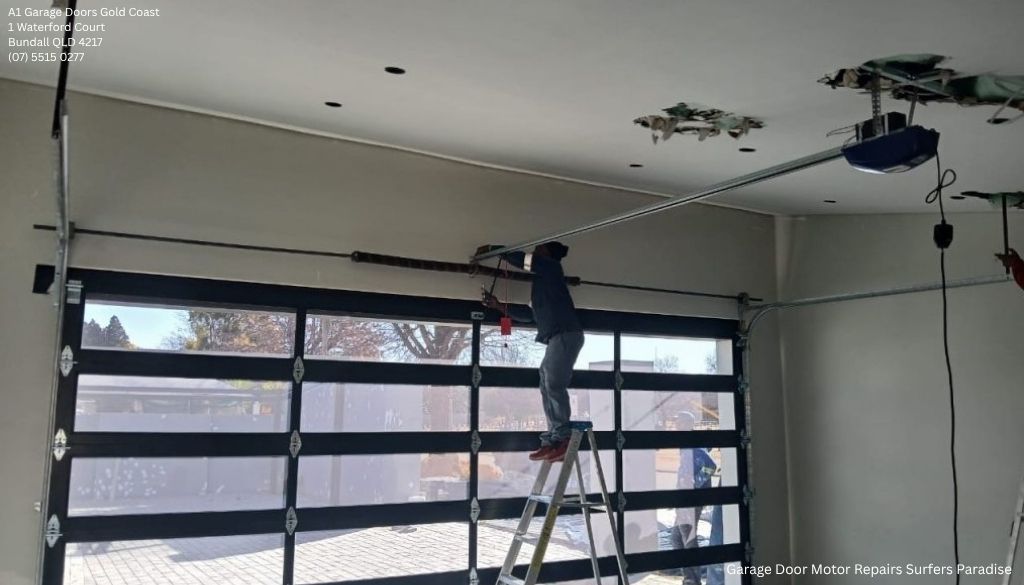
What you can safely notice before calling for help
There is a sensible middle ground between ignoring the issue and taking apart the mechanism yourself. You can observe the door, describe the symptoms clearly, and stop using it if the problem looks unsafe.
A useful first step is to pay attention to what changed. Was the door previously smooth and now hesitant? Does the motor sound normal, but the door movement does not? Is the remote inconsistent, or is the entire opener system struggling? These are basic observations, not repairs, but they matter because they help separate an access problem from a hardware problem.
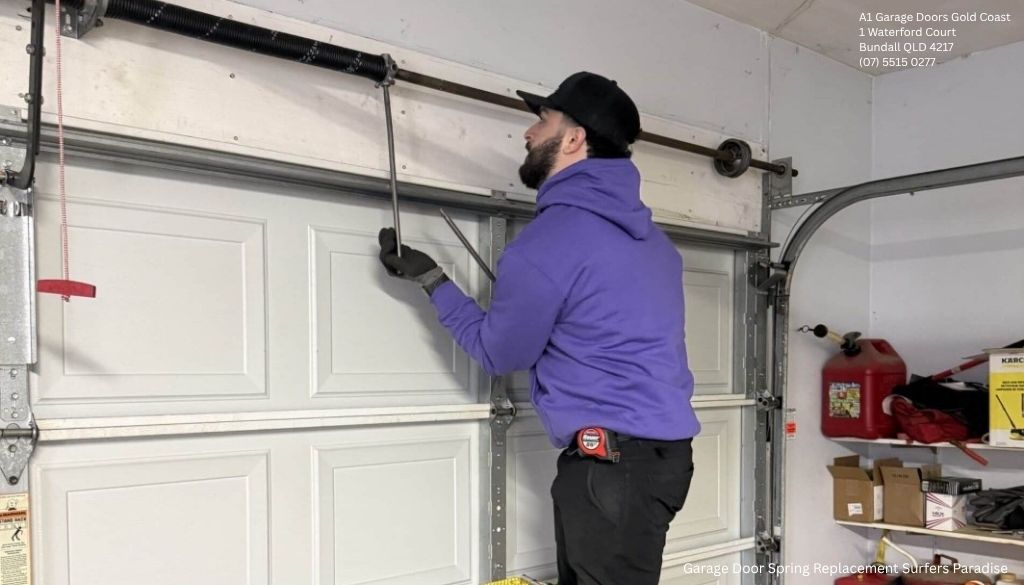
If the trouble seems minor, a short visual check may help you explain it better when you book service.
- Notice whether the door appears uneven as it moves. Watch for hesitation at the same point in travel each time. Check whether the remote issue affects one remote or all of them. Listen for a new noise from the motor or the moving door. Stop using the door if it looks unstable or jerks sharply.
That is the limit of what many homeowners should do unaided. Looking is useful. Improvising with high-tension parts is not.
Why springs change the risk level
Not every fault carries the same level of danger. Springs deserve special caution.
Industry safety guidance is clear that garage door springs are under high tension and are dangerous to adjust or repair without the right training and tools. That is not a minor warning. It is the sort of issue that can turn a simple maintenance impulse into an injury. When a spring breaks or is suspected to be failing, the correct move is to stop and call for service.
There is another practical detail here that surprises people. When one spring fails, both springs may need replacement because they often wear at a similar rate. Mixing a new spring with one that has already aged can create balance problems. From a service standpoint, that makes sense. A garage door system works best when the lifting force is balanced. If one side is refreshed and the other is near the end of its life, the door may not behave predictably.
This is one of those cases where delaying essential service creates a double penalty. You keep an unsafe component in play, and you allow related components to work harder around it.
When the opener is blamed for a different problem
Many people assume the opener is at fault whenever the door becomes unreliable. Sometimes that is correct. Garage door opener repair is a standard service for a reason, and motors, remotes, and automation components do fail. In other cases, though, the opener is only showing the strain of a door that is not moving well.
A motor can only work with the conditions it is given. If the door is misaligned, dragging, or poorly balanced, the opener may sound weak or inconsistent even if the deeper issue lies elsewhere. That is why symptoms need context. A remote that stops responding is different from an opener that tries to move the door but cannot do so smoothly. One suggests an access or control issue. The other may point to a mechanical problem, an alignment issue, or excessive load within the system.
This is also why quick internet diagnoses can mislead people. Two doors can show the same symptom and need entirely different repairs. One may need motor work. Another may need garage door alignment correction. A third may need spring replacement. If you focus only on the button you pressed, you can miss the component that is actually failing.
The meaning of a door that will not close properly
A garage door not closing properly is one of the most frustrating faults because it affects both security and routine. You cannot leave with confidence, and you cannot always shut the space behind you at night. The problem feels urgent because it is.
Still, “not closing properly” covers several possibilities. The door may stop short, reverse unexpectedly, move unevenly, or close only after repeated attempts. Those are different patterns, and a technician will usually want to know which one you are seeing. The more clearly you describe the behavior, the easier it is to identify whether the likely issue involves the opener, the moving door, the springs, or the alignment.
In my experience, people often under-report early symptoms because they normalize them. They say the door “has been a little awkward for a while,” then mention, almost as an afterthought, that it has also started making noise or leaning slightly during travel. Those details are not incidental. They are the repair story.
If the door closes in a way that looks uneven, garage door alignment becomes a sensible concern. If it sounds as though the motor is trying harder than usual, opener or motor service may be needed. If the door has become suddenly heavy or unstable, the conversation changes immediately and springs have to be considered.
Local conditions matter more than people think
Garage door systems do not operate in a vacuum. In coastal areas such as the Gold Coast, salt air, humidity, and heat can affect hardware and increase maintenance needs. That matters because many owners judge the condition of their garage door by age alone. Age is part of the story, but environment often explains why one door needs more attention than another.
Salt air can be particularly unforgiving on exposed hardware. Humidity and heat add their own strain over time. That does not mean every coastal garage door is in crisis, but it does mean routine service is not an unnecessary extra. It is preventive care for equipment that lives in a harsh setting.
This is one reason local businesses regularly offer not only repairs, but also servicing, installations, and replacement of parts such as motors, remotes, and springs. The range of services reflects the range of problems that show up in real use. Some issues can be corrected with servicing. Others require component replacement. Some older systems are better served by a motor replacement or an automation upgrade rather than repeated patchwork.
Service is not only for broken doors
There is a common habit of treating garage doors like appliances that deserve attention only after they fail. That mindset does not hold up well, especially for doors used daily. At least one Gold Coast service provider recommends professional servicing every 12 months to help prevent breakdowns and extend the life of the door and motor. That interval is practical because many faults do not begin as failures. They begin as wear, drift, or rising strain.
Annual servicing is less about finding dramatic damage and more about catching ordinary deterioration before it turns into an outage. It also gives professionals a chance to assess the condition of the motor, remotes, springs, and moving door system as a whole. In a climate affected by salt air, humidity, and heat, that kind of regular attention becomes even more valuable.
People sometimes hear “service” and think it means paying to be told nothing is wrong. That is not how useful service works. Useful service either confirms that the door is operating well, or it identifies a problem at a stage when the fix is clearer and usually less disruptive than a late emergency call.
Choosing between repair, replacement, and upgrade
Not every problem needs the same response. Some garage doors need a specific repair. Some need replacement of a worn component. Some are good candidates for automation upgrades if the existing setup no longer matches how the door is used.
This is where judgment matters more than slogans. A targeted garage door opener repair makes sense when the system is otherwise sound and the fault is confined to the opener side of the setup. A spring replacement is necessary when the springs are the issue, and if one has failed, both may need to be replaced to avoid balance problems. A motor replacement or installation may be more practical when the current motor is no longer reliable, especially since local companies commonly provide those services. Automation upgrades for existing garage doors are also widely offered, which tells you that many homeowners reach a point where upgrading the operating system is more sensible than limping along with an outdated or troublesome setup.
The right decision depends on condition, not pride. Too many owners keep pouring effort into a recurring problem because the door still moves some of the time. What matters is whether the system is dependable and safe.
What good scheduling looks like
Urgent does not always mean emergency, but it does mean intentional. Once you notice a recurring issue, the best response is to schedule service before the problem forces itself into a worse time slot, like a workday morning or a stormy evening.
A few signs justify garage door repair services moving quickly rather than waiting for your next free week.
- The door is not closing properly on a repeated basis. The door appears uneven, unstable, or poorly aligned. The motor strains or behaves inconsistently during normal use. A spring is broken or suspected to be failing. The system has become unreliable enough to affect security or access.
There is a practical rhythm to maintenance and repair. If the door still operates but has become inconsistent, book service promptly. If the door looks unsafe, stop using it and arrange help as soon as possible. If you have had no professional servicing in around a year, especially in a coastal environment, that is reason enough to put it on the calendar.
Why homeowners often misjudge alignment issues
Garage door alignment is easy to underestimate because it does not always announce itself with a dramatic failure. More often, it shows up as a door that looks slightly off during travel, hesitates at one section, or closes in a way that does not feel square and settled. People get used to the visual quirk and continue using the door, not realizing that the rest of the system may be compensating.
Alignment matters because garage doors are not supposed to fight their way through normal travel. When the door is not moving cleanly, the opener and motor can end up doing extra work. That can make an alignment issue sound like an opener issue, or make a small tracking problem feel like a major system failure. This is another reason delayed service is expensive in effort, even before it becomes expensive in parts. Problems spread their effects.
A well-diagnosed alignment problem can often be addressed before it creates a chain reaction of wear elsewhere. That is one of the strongest arguments for not waiting until the door stops entirely.
What to tell the technician
Clear descriptions save time. You do not need technical language, and pretending to know more than you do rarely helps. The most useful information is specific behavior.
Say whether the issue is with opening, closing, or both. Mention whether the remote is involved, whether the motor sounds different, and whether the door looks uneven during movement. If the problem has become more frequent, say so. If you are on the Gold Coast or another coastal area and the door has had limited servicing despite exposure to salt air, humidity, and heat, that context is relevant too.
A good technician can work from symptoms, but good symptom reporting often speeds the process. It also reduces the chance of treating the wrong issue first.
Fix the problem, not just the inconvenience
There is a difference between getting the door to move once and restoring reliable service. The first may get you through the day. The second protects the door, the motor, and the routine around them.
That distinction matters because garage doors sit in an awkward category. They are not glamorous enough to be maintained carefully, yet they are important enough to cause immediate disruption when they fail. They also involve enough force and moving hardware to demand respect, especially where springs are concerned.
If you need to fix garage door trouble, start with honest triage. Observe the symptoms, avoid unsafe tinkering, and bring in service before the issue ripples outward. Garage door opener repair, motor replacement, spring replacement, remote problems, and garage door alignment work are all established parts of professional service for a reason. These systems fail in recognizable ways, and experienced repair teams deal with them regularly.
The smart move is not to wait until the door traps the car, leaves the garage unsecured, or turns a routine departure into a standstill. The smart move is to treat early symptoms as permission to act. A garage door rarely asks for attention at a convenient time. If it is already asking, answer before it starts demanding.